
Our science
Mesenkia was founded 2024 on a scientific foundation from a long-standing Japanese-Swedish research collaboration, with the intention to develop treatments to cure the aggressive brain tumor, glioblastoma. The research resulted in Mesenkia’s proprietary KITAIbodies® that have the capacity to reshape how the field approaches targeted therapy in terminal cancers
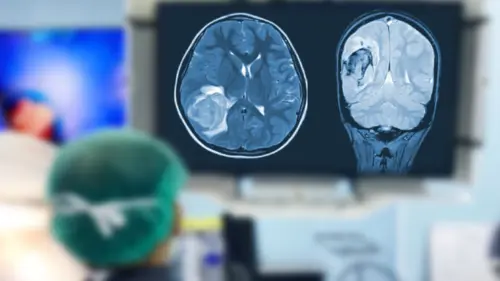
Glioblastoma
Glioblastoma is the most aggressive primary brain tumor in adults and one of the most lethal human cancers. Except for age, no clear risk factors have been possible to identify, with late diagnosis as a result. Immediately after diagnosis, patients undergo an intensive treatment regime consisting of resection surgery, radiotherapy and Temozolomide (TMZ).
Every year, 200,000 people die from glioblastoma, globally, where the standard of care has not improved since 2005. Due to tumor treatment resistance, relapsing after surgery is inevitable for the patient and the prognosis for the patient remains grim. Recent scientific breakthrough studies have identified that the cause of resistance is cancer stem cells. These stem cells are impossible to remove through surgery.
Given the increase in prevalence and with the currently inevitable relapse, there is an urgent need for novel effective targeted therapies complementing surgery to prevent relapses and improve the prognosis for the patients.
Patient reality: “Glioblastoma grows fast, spreads deep, and leaves patients with little time. Current treatments extend survival by months, not years.
Cancer stem cells in glioblastoma
Glioma initiating cells (GICs) are a form of cancer stem cells preset in the glioblastoma and are the root cause for the glioblastoma initiation, progression, recurrence, tumor heterogeneity, as well as drug and radiation resistance.
Mesenchymal glioblastoma – the most aggressive form
Glioblastoma tumors consist of different cancer cell types and the subtype that is crucial to target to treat patents is the mesenchymal (MES-like). These cells are resistant to Standard-of-care and are prevalent in patients with relapses.
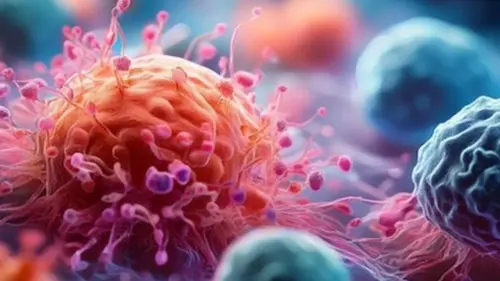
Solid tumors
The introduction of monoclonal antibodies has revolutionized the cancer treatment landscape for solid tumors. Both those targeting immune checkpoints to harness antitumor immunity and direct targeting of overexpressed tumor associated antigens on the cancer cell have been proven effective in several cancer indications. Unfortunately, there are still several forms of cancer where established drugs does not have effect. Therefore, there is an urgent need for novel targeted therapies with the capacity to treat patients that do not respond to available therapies
HVEM – Herpes virus entry mediator (TNFRSF14)
is a transmembrane receptor protein strongly expressed in several solid tumors. It has the capacity to bind several different ligands,…
Read more ↓
among them APRIL and BTLA. In the last decade HVEM has emerged as one of the most potent checkpoint pathways in cancer and shows strong potential as a therapeutic target.
APRIL – a proliferation-inducing ligand (TNFSF13)
a proliferation-inducing ligand (TNFSF13) – was originally identified as a soluble factor belonging to the TNF superfamily, promoting tumor growth.
Read more ↓
APRIL is upregulated in several tumors and secreted by the tumor cells.
BTLA – B- and T-lymphocyte attenuator (CD272)
is expressed on immune cells and the ligand to HVEM in the immune checkpoint pathway exploited by the cancer cells to evade the immune system.